


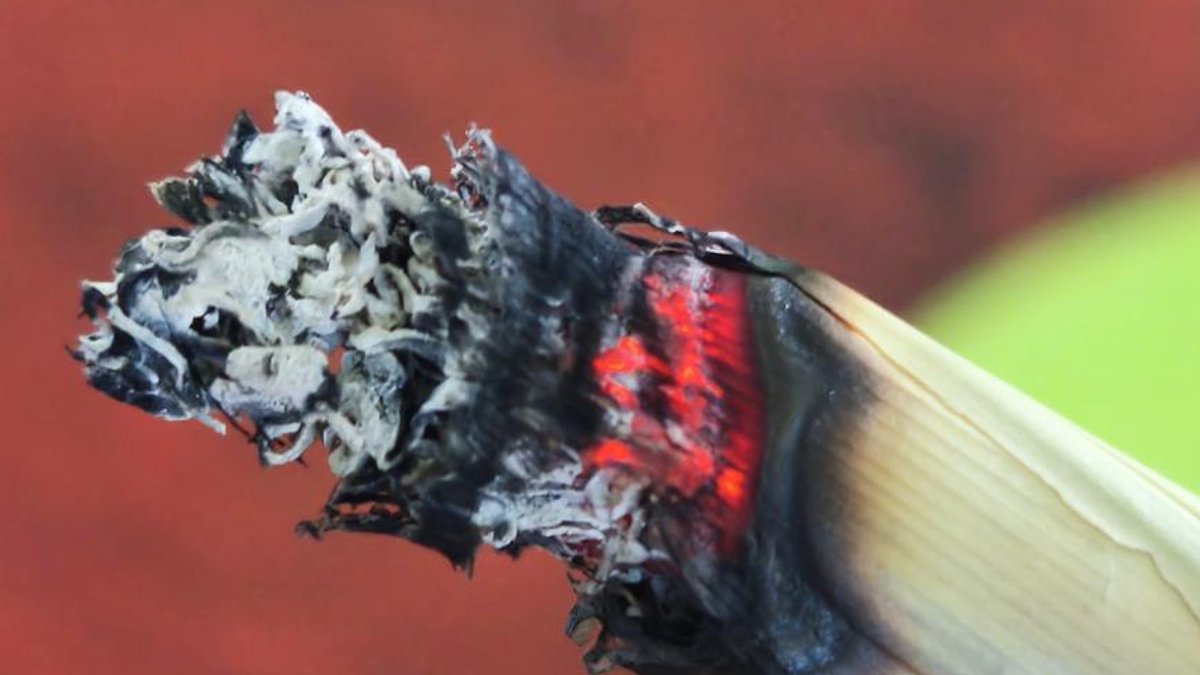
The illicit tobacco trade is draining billions from British retailers while leaving store owners to confront a challenge they claim the government has ignored. A recent gathering in Croydon, South London, united local shopkeepers with representatives from JTI UK to examine how the trade is transforming their operations. The discussion followed test purchases revealing that 27% of stores in the area sold illicit cigarettes, often priced as low as £4.50 per pack. In contrast, a legal 10-pack of cigarillos typically costs around £10.
Local surveys show widespread public concern: 89% of residents believe the trade harms nearby businesses, and 93% say it funds organised crime. Yet retailers insist customers prioritise cost over these risks. Kaual Patel, owner of Nisa Torridon, explained that when someone has £10, they can buy either a legal pack or an illicit one for £5, leaving enough for lunch. He argued the price gap will not narrow unless legal tobacco becomes less profitable for criminals to handle.
Patel’s store is among the few where tobacco sales have increased, but only because he invested in automated systems and expanded his product range. Most retailers face a different reality. Ian Cawley of Park Garage Group reported that tobacco sales in his stores have halved over five years—not because demand has dropped, but because theft and illicit trade have eroded profits.
Misleading labels fuel consumer confusion
Cawley also pointed to cigarette theft as another layer of the problem. Shoplifters clear shelves and resell the product elsewhere, turning legitimate retailers into unintended suppliers of contraband. The societal impact is equally severe. Benedict Selvaratnam of Freshfields Market described how illicit tobacco shops, often brightly lit, draw antisocial behaviour. Even when raids occur, the shops frequently reopen within days under new management.
Customer confusion worsens the issue. Many assume illicit products are legal due to misleading labels like “duty paid.” Selvaratnam called for clearer consumer education but noted enforcement remains weak. “Trading Standards sent me an email about stopping sales of Jolly Rancher candies, but I’ve never seen an officer check for illicit tobacco,” he said.
Retailers say they are left enforcing laws no one else will. Ralph Patel criticised the regulatory burden, while others expressed frustration that reporting crimes yields no results. “When you report theft and get no response, you stop bothering,” one shopkeeper said. The gathering highlighted a broader problem: despite media coverage of retail crime, the government treats it as a minor issue. One retailer recalled asking an MP about the biggest threat to stores. The response was “people stealing Mars bars.” The retailer countered that the real issue is when criminals empty shelves and leave.
Intimidation silences law enforcement efforts
The illicit trade extends beyond lost sales; it involves intimidation. Patel described how Trading Standards officers face harassment, threats, and even warnings about their homes. “They don’t care about consequences,” he said. “How do you stop people who know there will be no repercussions?”
The roundtable revealed how the illicit trade has broken trust between retailers and law enforcement. Kaual Patel recounted how officers had been followed home, received explicit safety warnings, and had their personal details leaked. “They’re not just targeting the shops,” Patel said. “They’re coming after the people trying to shut them down.” One retailer noted that officers stopped visiting stores after receiving anonymous calls warning them off, sometimes within hours of reporting violations.
The economic strain on legitimate retailers worsens as stolen products flood the market. Cawley’s stores have seen a 50% drop in tobacco sales over five years, not because demand has fallen, but because theft and illicit trade have hollowed out profits. Shoplifters systematically strip shelves of high-demand brands, then resell the product at cut-rate prices elsewhere. “It’s not just about the packs they take,” Cawley explained. “It’s about the entire category collapsing because criminals undercut us at every turn.” The theft extends beyond cigarettes, vape products and other tobacco accessories are also targeted, creating a parallel black market retailers cannot compete against.


