


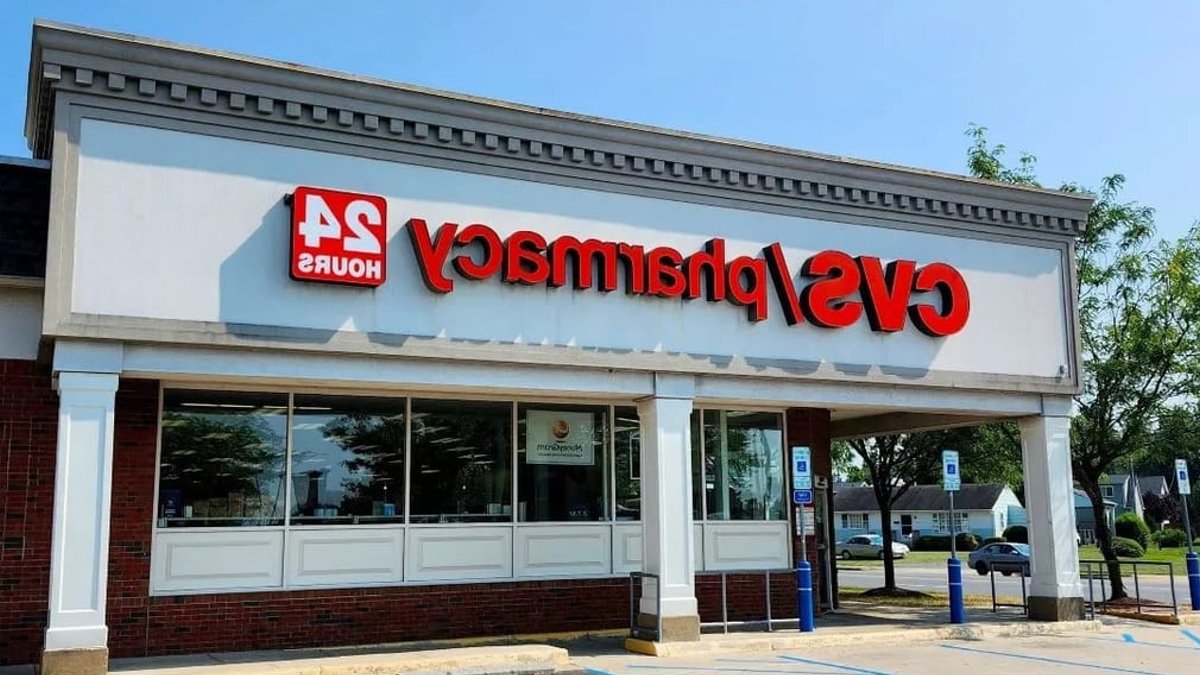
CVS Pharmacy Inc. has agreed to a $315 million settlement in Hawaii to resolve federal allegations of improper opioid and controlled-substance prescription practices spanning over 12 years. The U.S. Department of Justice claims CVS violated the Controlled Substances Act and the False Claims Act from October 17, 2013, through December 2, 2025.
According to the allegations, CVS filled prescriptions that lacked legitimate medical purpose, were invalid, or deviated from standard professional practices. The complaint also alleged that the company dispensed excessive quantities of opioids, filled prescriptions too early and filled so-called “trinity” prescriptions, which combine an opioid, a benzodiazepine and a muscle relaxant.
The government further alleged that CVS filled prescriptions from providers operating pill mills, which issue large numbers of controlled-substance prescriptions without valid medical justification. Pharmacists allegedly proceeded with some prescriptions despite warning signs that they might be unlawful or medically unnecessary.
Many of these prescriptions were billed to and reimbursed by Medicare and other federal healthcare programs. The lawsuit, filed in the U.S. District Court for the District of Rhode Island, claimed that CVS’s corporate performance targets, incentive compensation, and staffing policies contributed to the improper dispensing.
The government argued that CVS failed to employ sufficient pharmacists to meet both patient needs and legal obligations while achieving corporate goals. The complaint also alleged that company policies prevented pharmacists from warning colleagues about certain prescribers.
Read Also: Ahold Delhaize extends online outage to fifth day
As part of the settlement, CVS has entered into an agreement with the Drug Enforcement Administration to enhance safeguards for dispensing controlled substances. The agreement requires CVS to establish a hotline for employees and members of the public to report suspected illegal dispensing, monitor prescription-dispensing patterns across its pharmacies and create a process for evaluating prescribers suspected of illegal prescribing.
Charles Calenda, first assistant U.S. attorney for the District of Rhode Island, emphasized the importance of pharmacies maintaining effective compliance systems to identify and respond to warning signs of unlawful or medically unnecessary prescriptions.
The case originated from a whistleblower lawsuit filed by Hillary Estright, a former CVS employee, under the False Claims Act’s whistleblower provisions. The federal government intervened and took over the litigation.
This settlement highlights pharmacies’ critical role in ensuring proper dispensing of controlled substances and the consequences of failing to meet legal and ethical standards. It demonstrates ongoing efforts to hold pharmaceutical companies accountable and improve prescription practices, particularly for those affected by the opioid crisis.


