


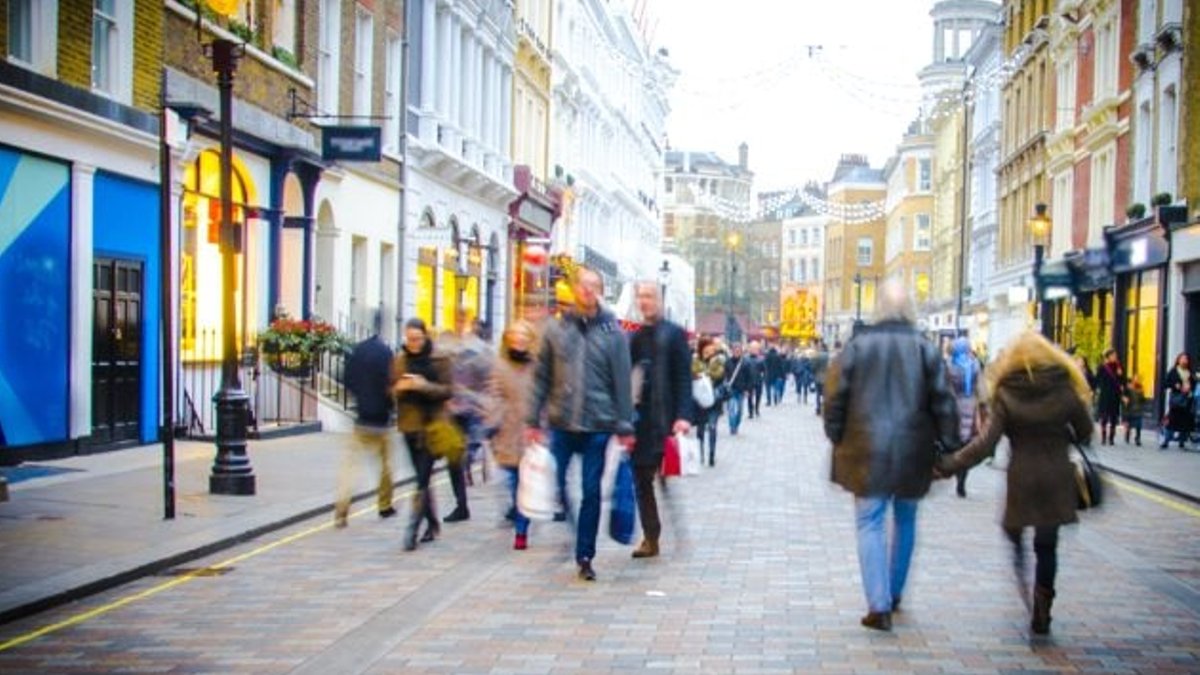
The UK high street is experiencing a subtle resurgence, though its long-term success hinges on infrastructure improvements that most shoppers never observe. Behind the scenes of cafés, salons, and convenience stores, aging heating, ventilation, and air conditioning (HVAC) systems are quietly eroding customer satisfaction—and profitability.
Retail has faced a prolonged downturn over the past decade, weakened by the rise of e-commerce, the pandemic, and economic pressures. Despite this, the sector remains economically significant, adding £114.7 billion to the UK economy in 2024 and sustaining 2.6 million jobs. The government’s £150 million High Streets Strategy fund reflects a growing recognition that physical retail spaces must function as community centers, not just transactional hubs.
Small retailers grapple with outdated HVAC
For smaller operators, however, the primary obstacle isn’t competition alone. Many are trapped in older buildings where HVAC systems, if they exist, are outdated. Poor ventilation, inconsistent temperatures, and stale air deter customers more effectively than high rents or poor locations. A café that fails to maintain comfortable conditions in winter or summer will struggle to retain visitors.
Advanced HVAC technology is addressing these issues. Compact split systems like Mitsubishi Electric’s M-Series and Mr Slim lines provide precise climate control without requiring extensive installations. These solutions are particularly valuable for landlords subdividing large retail units, as they integrate smoothly into renovation projects. The benefits extend beyond comfort: energy efficiency becomes critical when operating costs are already under pressure.
Ventilation upgrades boost air quality
Indoor air quality has emerged as another critical factor. Mechanical ventilation systems with heat recovery, such as Mitsubishi’s Lossnay units, introduce fresh air while recapturing heat from exhaust streams. This approach reduces energy consumption while complying with stricter ventilation regulations. For retailers, the result is fewer customer complaints and stronger repeat business.
Changes to F-Gas regulations across Europe are gradually tightening the availability of high-GWP refrigerants used in many existing systems. For retailers and building owners, this means that systems installed today should ideally be designed with future refrigerant requirements in mind. Upgrading to equipment that uses lower-GWP refrigerants can therefore help to future-proof retail premises while avoiding the need for further upgrades later in the decade. For example, for larger stores and supermarkets, systems such as Mitsubishi Electric’s ECOV refrigeration units, which use CO₂ refrigerant with a Global Warming Potential (GWP) of just 1, can support compliance with F-Gas regulations while offering the additional advantage of heat recovery to preheat hot water.
Refurbishment drives HVAC upgrades
The current trend toward refurbishment rather than new construction presents an ideal opportunity for these improvements. Landlords are increasingly adapting existing spaces to modern retail needs, and HVAC upgrades can be incorporated with minimal disruption. Many systems install quickly, even during business hours, ensuring uninterrupted operations. For high street tenants, this means enhanced comfort without revenue losses.
Landlords are now prioritizing flexible layouts by dividing larger units into smaller, adaptable spaces for cafés, salons, and boutique shops. This strategy maximizes revenue per square foot while allowing tailored HVAC solutions for different tenant needs. For instance, a salon requiring precise humidity control can coexist with a café needing even heating, both achievable through multi-zone systems like Mitsubishi Electric’s VRF (Variable Refrigerant Flow) and HVRF (Heat Recovery Variable Refrigerant Flow) technology. These systems enable independent temperature adjustments across zones, cutting energy waste while maintaining comfort for both customers and staff.
Minimizing disruption during installation remains a top concern for high street businesses. Unlike extensive renovations requiring weeks of closure, modern HVAC systems often install in stages or outside operating hours. Compact split systems, such as Mitsubishi’s M-Series, can be wall-mounted with minimal interior work, avoiding major structural changes. Landlords are adopting phased refurbishment strategies, bundling HVAC upgrades with other non-intrusive improvements like lighting or flooring updates. This approach allows tenants to maintain operations while gradually enhancing their spaces. For landlords, the ability to install systems without prolonged vacancies ensures steady rental income during transitions.


