


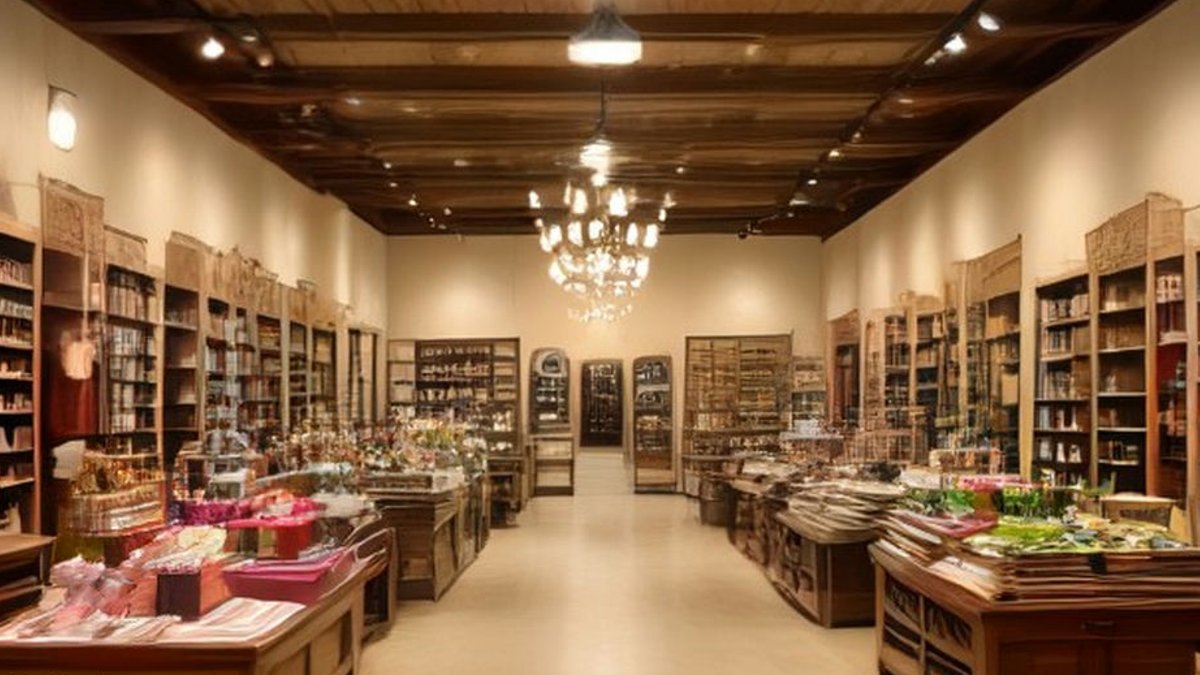
Retailers are redefining how physical stores function, using design, technology, and hospitality to compete with online marketplaces. The winners of the first-ever Next Gen Store Awards highlight this shift, showcasing concepts that extend the shopping trip beyond a simple transaction. Brands are combining creative displays with digital tools to engage customers in ways that e-commerce cannot replicate.
Immersive Design and Brand Storytelling
Anthropologie’s Spring waterlily window display transformed storefronts into immersive, pond-inspired environments. The installation featured oversized sculptural waterlilies and lily pads, using scale and color to create a sense of movement. The concept rolled out across nearly 250 global stores, prompting shoppers to stop, admire the craftsmanship, and share photos on social media. Yellow Rose by Kendra Scott took a different approach by establishing a modern Western lifestyle destination at its Nashville flagship. The store combines reclaimed wood, custom stained glass, and local artwork to reflect the creative community there.
Both stores focused on discovery. Anthropologie turned a familiar storefront into an artistic experience, while Yellow Rose created a social space where customers could pause. The Nashville location includes Beau’s Bar, the brand’s first in-store bar, and a hat customization atelier. Since opening, the flagship has welcomed more than 20,000 shoppers per month, with Beau’s Bar attracting over 5,000 guests monthly, demonstrating how localized design and hospitality can deepen customer engagement.
Read Also: Azuna achieves nine-figure sales through supply chain control
Technology and Hybrid Retail Models
Fashionphile developed a hybrid model that integrates its distribution centers into the shopping experience. Shoppers can browse inventory and request items from a secure storage area known as The Cage. A conveyor belt or mini handbag elevator delivers selected pieces to the showroom floor, where sales associates help customers explore options. The store also allows shoppers to sell or trade items during the same visit, with authenticators evaluating merchandise on-site.
This approach has shifted the company’s revenue mix. Physical retail now accounts for more than 30% of Fashionphile’s revenue, up from 4% previously. The system synchronizes individual items across digital marketplaces, authentication centers, and retail locations. The Bleecker Street boutique of Diptyque similarly used a redesign to mark the first change to its classic candle since 1963. The store introduced the updated candle and five new home fragrances, drawing inspiration from the brand’s signature herbarium.
The redesign of the candle’s vessel, created in collaboration with designer Julie Richoz, is 10% lighter and features a refillable format. This change reduces its carbon footprint by approximately 30% compared with purchasing two new candles. The Bleecker Street activation attracted 2,025 visitors, 70% of whom were new customers. The broader launch generated more than 4.39 billion press impressions and drove North American sales 40% above forecast in its first three months. Drawing inspiration from the brand’s signature herbarium, the boutique featured the expanded collection alongside a film exploring the candle’s 50-hour burn time. These winning concepts combined creative design, technology and thoughtful storytelling to demonstrate how physical retail can create value beyond the transaction.


